
If your content ranks but doesn’t convert, or worse, doesn’t rank at all, the problem is often not keywords, it’s keyword intent.
Search engines like Google no longer rank pages just based on keywords. They rank based on why someone is searching. This shift is even stronger now with AI-powered search experiences.
In this guide, you’ll learn how to:
- Decode keyword intent accurately
- Align content with search behavior
- Improve rankings and conversions simultaneously
- Build an SEO strategy that works for both Google and AI tools
Contents
What Is Keyword Intent?
Keyword intent, also known as search intent, refers to the purpose behind a search query.
When someone types a query, they are trying to:
- Learn something
- Find something
- Compare options
- Buy something
For example, someone searching “what is SEO” is looking for information, while someone searching “best SEO Agency near me” is closer to making a decision.
Understanding this intent helps you create content that matches exactly what users expect, When your content matches intent, users stay longer, engage more,which is what Google prioritizes.
The 4 Main Types of Keyword Intent
1. Informational Intent :
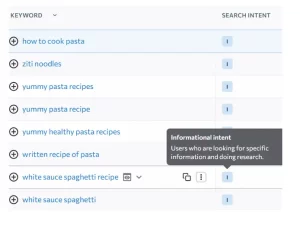
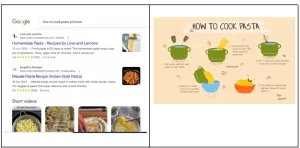
Users with informational intent are looking to learn or understand something. These are typically top-of-funnel searches where users are exploring a topic for the first time.
Examples:
- What is SEO
- How zoho works
- Benefits of digital marketing
Best content types:
- Blog posts
- Guides
- Tutorials
- Step-by-step guides
- Educational articles
These queries drive high traffic, but conversions are indirect. Their main role is to build awareness and trust.
When to Avoid Informational Keywords
- The intent is too broad:
Keywords like “what is marketing” attract a wide but unfocused audience, making it difficult to drive meaningful conversions. - Traffic potential is low:
If top-ranking pages receive minimal traffic, investing effort here won’t deliver ROI even if you rank. - No natural product connection:
If your service cannot be introduced naturally within the content, it becomes a vanity traffic play rather than a business driver.
Here, users already know where they want to go and are using search engines as a shortcut to reach a specific website or page
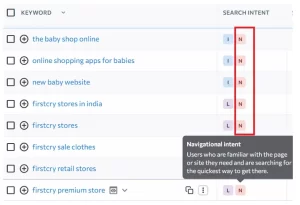
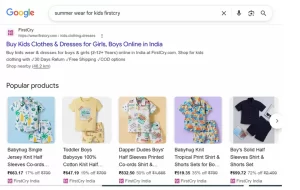
Users want to go to a specific website or page.
Examples:
- Ahrefs blog
- Facebook login
- Amazon homepage
Best content types:
- Homepage
- Brand pages
This type of intent is heavily brand-driven. Strong SEO and social presence help increase these searches over time.
- You are not the brand being searched:
Trying to rank for another company’s brand name is rarely effective and often impossible. - Low opportunity for new traffic:
These searches are already “decided,” meaning users are unlikely to explore alternatives. - Minimal conversion influence:
Since intent is to navigate, not evaluate, these keywords offer little opportunity to influence decision-making.
3. Commercial Intent :
Users are evaluating options before making a purchase. They are aware of solutions but want to compare features, pricing, and benefits.
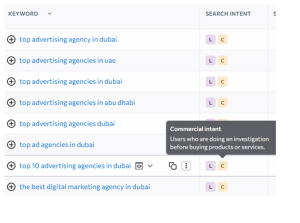
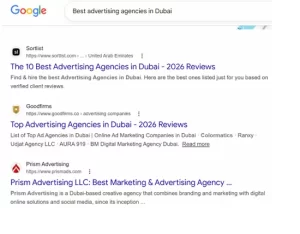
Users are comparing options before buying.
Examples:
- Best SEO tools
- Top IVF clinics in Bangalore
- Shopify vs WooCommerce
Best content types:
- Comparison blogs
- Listicles
- Reviews
This is one of the most valuable intent types because it sits close to conversion while still allowing content-driven engagement.
When to Avoid Commercial Keywords
- You lack competitive positioning:
If your offering cannot realistically compete with top players, ranking and conversion will be difficult. - SERP dominated by high-authority sites:
If results are filled with major brands, entering the space may require disproportionate effort. - No clear differentiation:
If your content cannot add unique insights, comparisons, or value, it will struggle to stand out.
4. Transactional Intent :
Transactional intent indicates that the user is ready to take action, such as making a purchase, booking a service, or signing up.
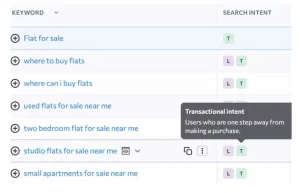
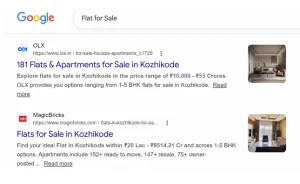
Users are ready to take action or purchase.
Examples:
- Buy SEO tools
- Book an IVF consultation
- Hire digital marketing agency
Best content types:
- Landing pages
- Product pages
- Service pages
These keywords may have lower search volume, but they deliver the highest conversion rates.
When to Avoid Transactional Keywords
- Your page is not conversion-ready:
Driving traffic to a weak landing page will result in poor ROI and wasted potential. - Lack of trust signals:
Without reviews, testimonials, or strong branding, users may not convert even if they land on your page. - Highly competitive ad-driven SERPs:
If results are dominated by ads and strong competitors, organic visibility may be limited.
Why Keyword Intent Is Critical for SEO
Search engines aim to deliver the most relevant results for each query. If your content does not match intent, it will struggle to rank, regardless of how well it is optimized.
Key Impact Areas:
Google’s algorithm updates increasingly prioritize:
- Content relevance
- User satisfaction
- Behavioral signals
When intent is correctly matched, users find exactly what they are looking for, leading to better engagement signals, which ultimately improve rankings.
Real Example: One Keyword, Multiple Intents
Consider the keyword “digital marketing agency”.
Even though the keyword is the same, the user’s intent changes based on their stage in the journey. If you create a blog when users are ready to hire, or a service page when they are still researching, your content will struggle to rank and convert effectively.
How to Identify Keyword Intent
1. Analyze Search Results
Start by searching for your keyword and reviewing the top results. Look at:
- Content type (blogs, product pages, videos)
- Titles and formats
- Featured snippets
This gives you a clear idea of what Google considers the most relevant content.
2. Identify Patterns in SERP
Pay attention to patterns such as:
- “How to” indicates informational intent
- “Best” or “Top” suggests commercial intent
- “Buy” or “Hire” signals transactional intent
Recognizing these patterns helps you quickly classify keywords.
3. Use SEO Tools
Tools like Ahrefs provide insights into:
- Keyword difficulty
- SERP composition
- Content gaps
They help validate your intent assumptions with data.
Keyword Intent Mapping Framework
A structured approach helps you build a complete strategy:
This ensures you cover the entire user journey instead of focusing on just one stage.
How to Use Keyword Intent in Your SEO Strategy
1. Build Intent-Based Content Clusters
Group keywords based on intent and create interconnected content. This improves topical authority and helps search engines understand your expertise.
2. Match Content Format Precisely
The format of your content should align with intent. For example, a transactional query should lead to a conversion-focused landing page, not a long blog.
3. Optimize for AI Search (AIO)
AI-powered search tools prioritize:
- Clear, direct answers
- Structured headings
- Context-rich explanations
To adapt:
- Answer questions early
- Use simple explanations
- Provide examples
Common Mistakes to Avoid
- Ignoring SERP intent signals
- Mixing multiple intents in one page
- Creating blog content for transactional keywords
- Focusing only on keywords instead of user needs
If you’re analyzing keywords but still finding it difficult to turn those insights into a clear, actionable SEO strategy, you’re not alone. The gap between data and execution is where most strategies fall short.
What truly drives results is not just identifying the right keywords, but understanding intent, structuring content effectively, and aligning it with business goals. That is where a more structured, system-driven approach becomes essential.
With Netstager, you can move beyond raw keyword data and build a focused roadmap that connects SEO efforts directly to traffic, engagement, and conversions. The result is not just better rankings, but a strategy that consistently delivers measurable growth.
For More Details Connect : +971555710078